Growing Elysium, and building our own products
In part two, I left Logica and started Elysium. This is what the years after that looked like: how the studio grew, and how it started building things of its own.
Growing the studio
Once client projects began coming in, I did the things that had worked for me from the start. I posted a lot more, delivered work I was proud of, and asked clients for testimonials. Then referrals took over. Good work, shared openly, kept bringing the next conversation.
That is how Elysium grew, and how we ended up working with great teams, from Highflyers to the rest of the work on elysiumdesigns.in.
- Building Elysium
- 3 yrs
- Brands and companies
- 60+
- Projects delivered
- 100+
In those three years we’ve worked with more than 60 brands and companies, from early-stage teams to funded startups to C-suite level, across more than 100 projects.
From services to products
For most of that time, Elysium was a service company. Now it has started building its own products, and there are more apps on the way.
There is one rule behind all of them: every product starts from a problem we’ve faced ourselves. Nothing comes from outside our world. If I’m a designer running a studio, the problems I live with every day are the ones I’m best placed to solve. I only build what I can feel, and what I would actually use.
- Velo is an operating system for freelancers and studios. It takes you from leads to invoices to revenue and expenses, everything a studio needs to run its business.
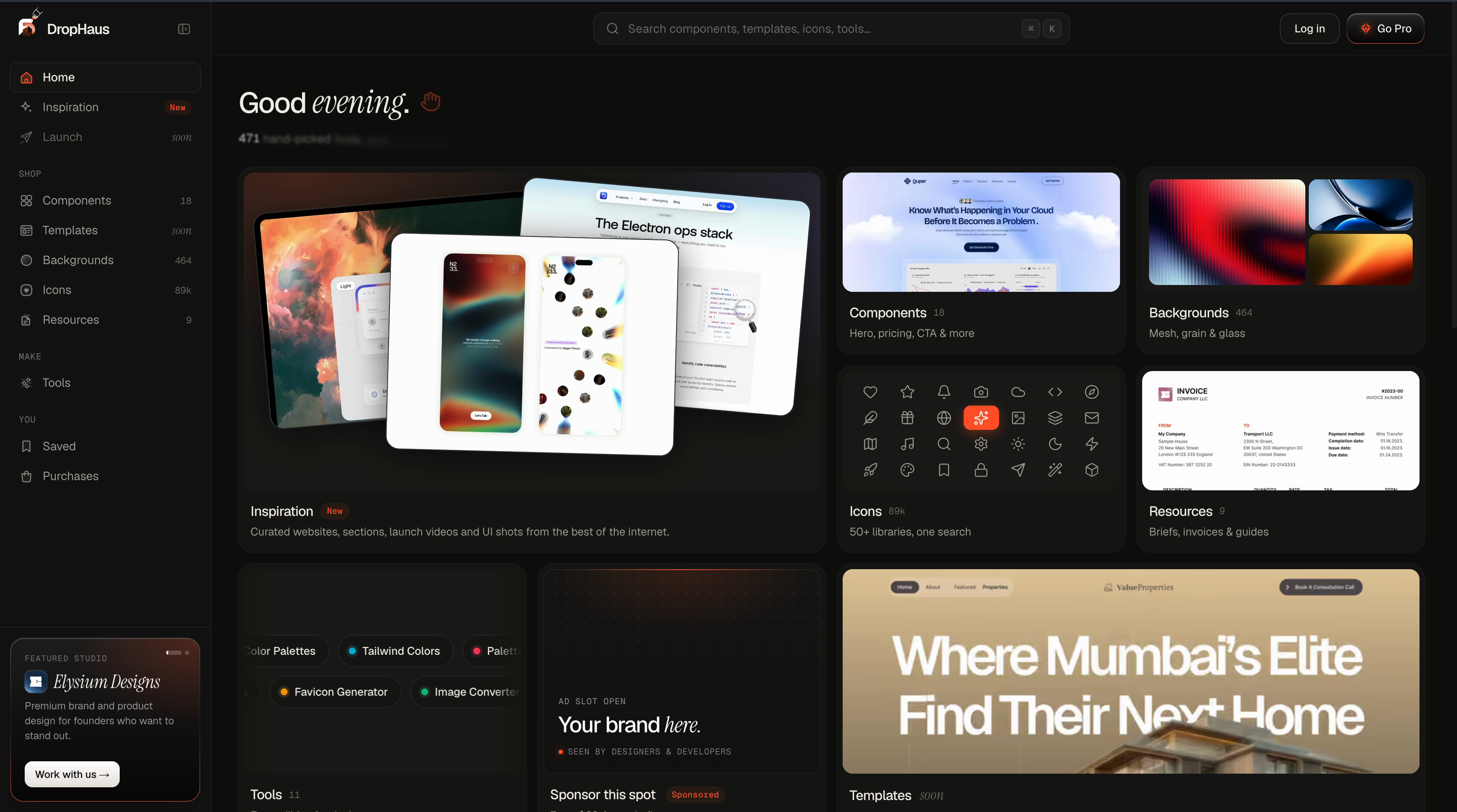
- Drophaus exists so nobody has to start from scratch: inspiration, components, templates, icons, backgrounds, gradients, and tools, in one place.
- UI Elysium is an agentic UI library for AI-native products, and it comes with a Figma design system.
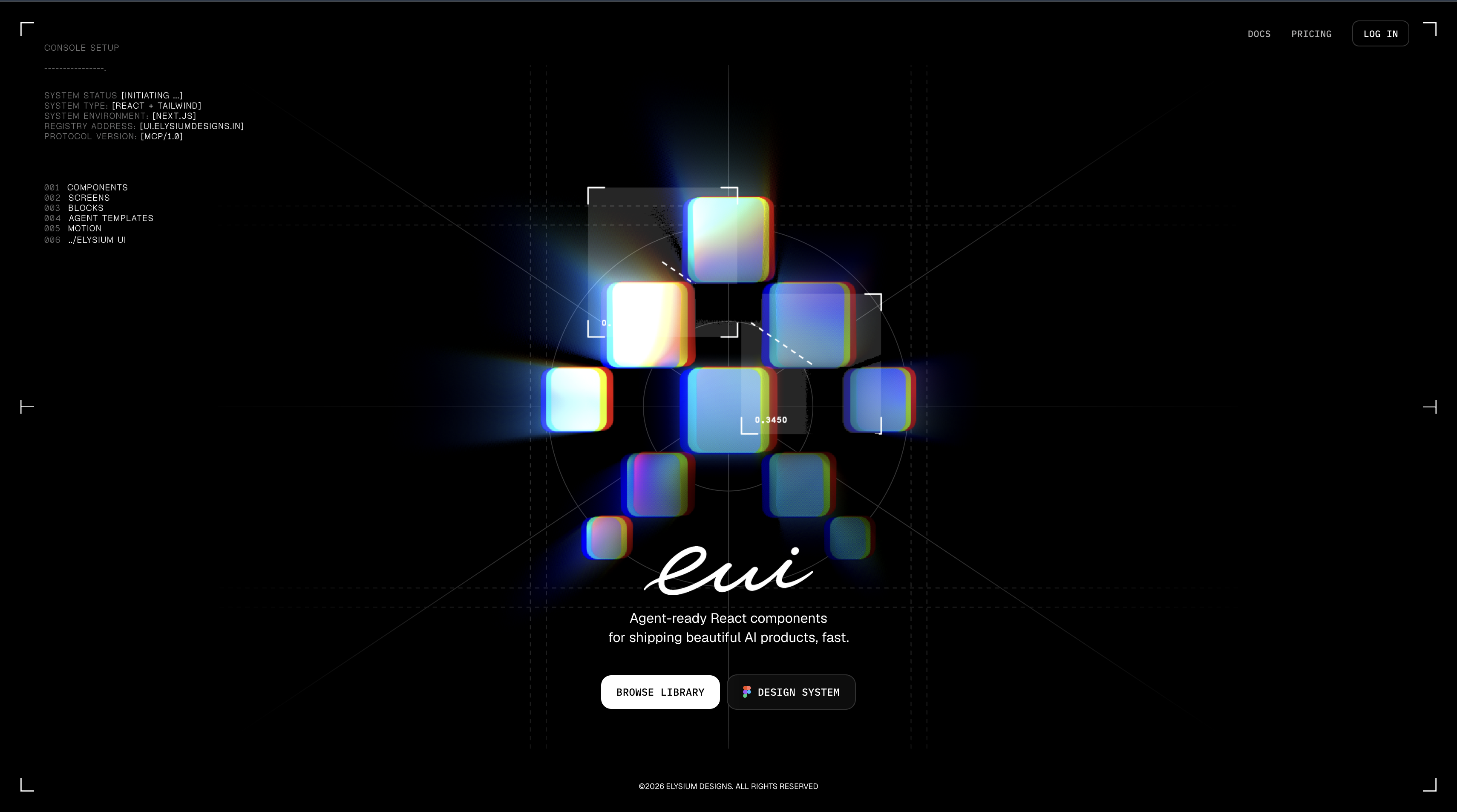
UI Elysium comes from a shift I’ve watched happen. Component libraries used to be built for a person who opens a library and picks a component by hand. Now an agent does much of that work. You type, and it builds.
If the interface is generic, what comes out is slop. So the experience has to be redesigned around how an agent works, how it thinks, and how you perceive what it is doing, from the way a chatbot behaves to how a task unfolds. That’s what the library is for.
What I took from it
A few lessons from the years since:
- Good work shared openly brings the next conversation. Referrals did most of the selling for us.
- Build the experience you want people to have. A studio is a product, and so is every project inside it.
- Build from problems you have felt yourself. The products that last come from your own friction, not from guessing at someone else’s.
Each of these products has its own story, and I’ll write about how they started.